What State Parks Offer (and What They Don't)
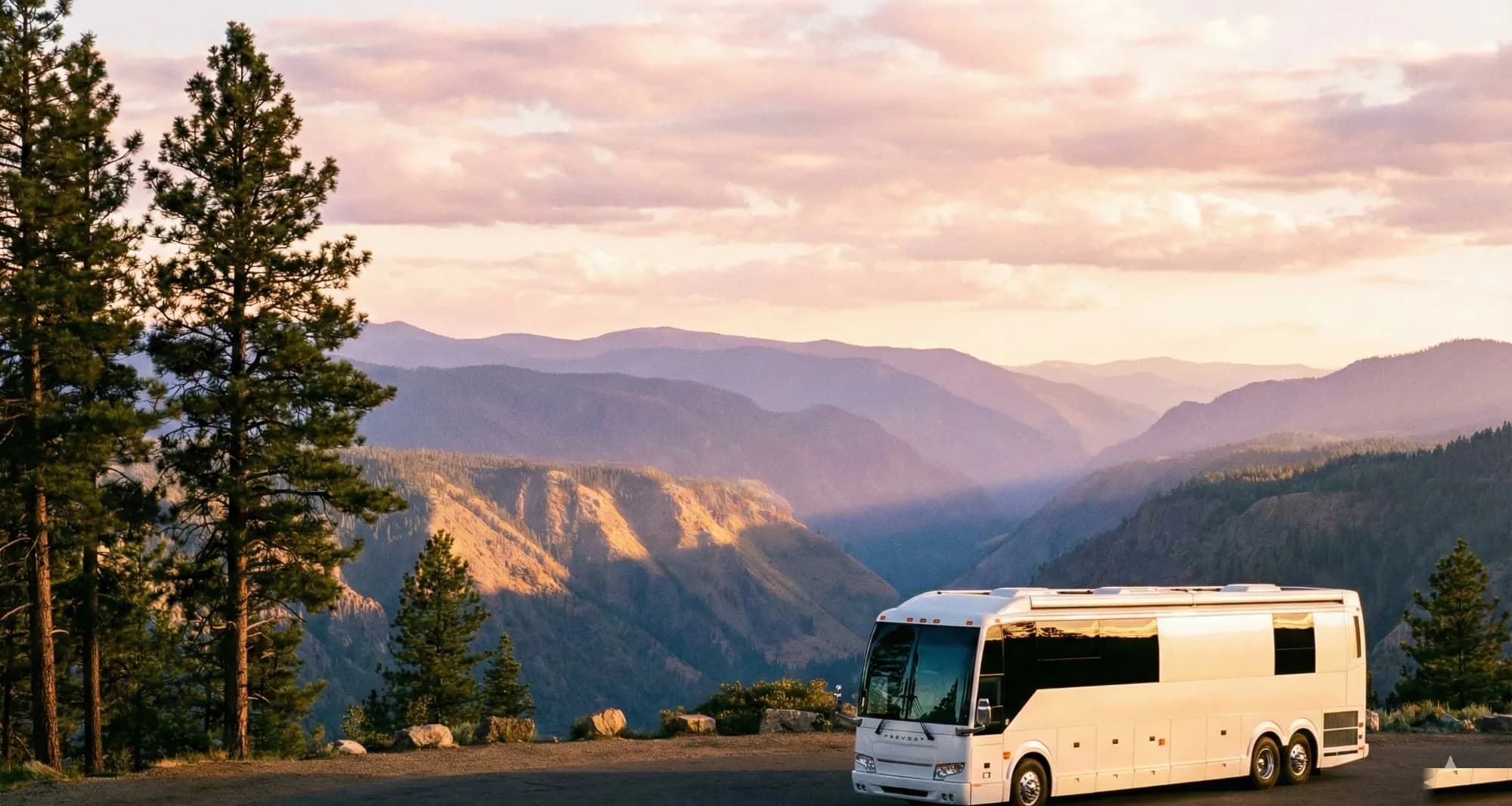
State park campgrounds are operated by state government agencies with a primary mission of preserving natural resources and providing public access. This produces a very specific camping experience: you're in or adjacent to genuine natural settings — ocean beaches, forests, lakeshores, mountain terrain — at rates typically much lower than comparable private parks ($20–$50/night vs. $50–$100+). The natural setting is usually the primary selling point.
What state parks typically don't offer: full hookups with water/sewer/50-amp electric at every site (many state parks have electric-only or no-hookup sites), resort amenities (pools, activities, playgrounds), reliable WiFi, or premium customer service. Sites are often narrower and less manicured than private parks. The bathrooms are functional but not luxurious.
State park campgrounds require reservation through state-specific systems (ReserveAmerica, ReserveCalifornia, Reserve CT, etc.) that vary by state. Booking windows and demand vary enormously — some California state parks book 6 months out for summer; many Midwestern state parks have walk-in availability all season.
What Private RV Parks Offer
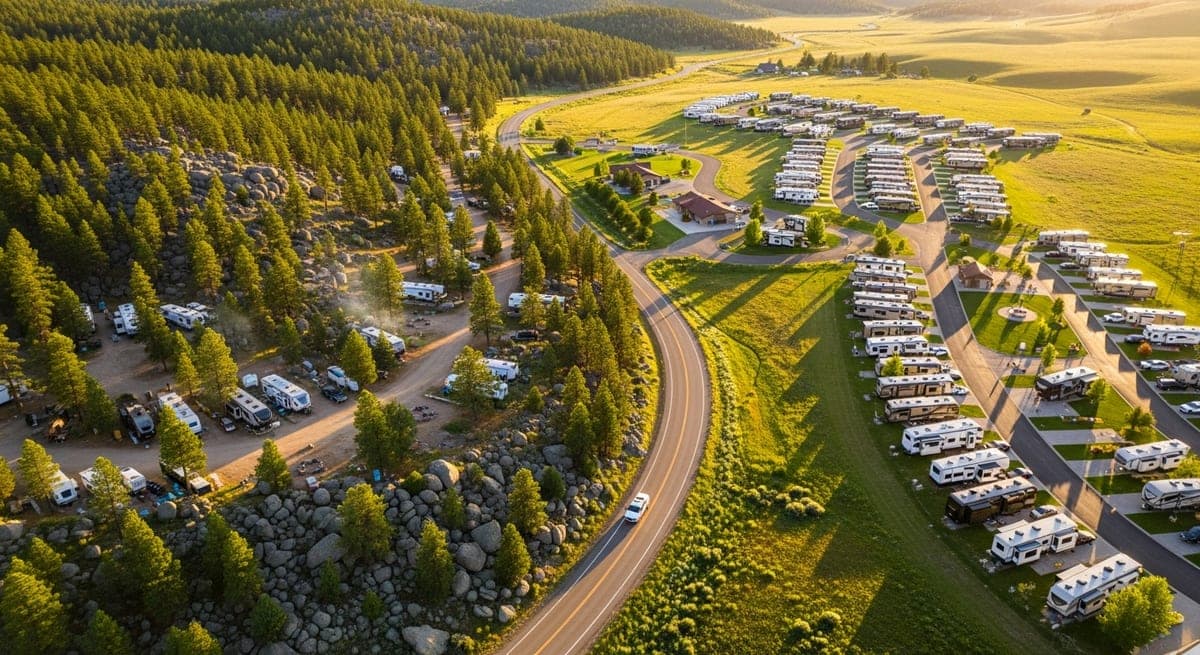
Private campgrounds and RV resorts are commercial operations with amenities as a competitive differentiator. The best private parks offer: full hookups (water, sewer, 30/50 amp electric) at most or all sites, pull-through sites for rigs that can't back in, swimming pools, laundry facilities, camp stores, organized activities, and on-site staff for issues and assistance.
KOA is the most recognizable private chain, with consistent standards across locations — the franchise model means a KOA in Montana is similar in quality to one in Florida. Good Sam parks maintain similar consistency. Independent private parks vary widely.
Private parks typically allow reservations closer to the travel date than popular state parks, making them better for flexible itineraries where you're booking 1–2 weeks out rather than months ahead.
The Decision Framework
Choose state parks when: The natural setting IS the destination (camping on the beach, camping in a redwood forest, lakefront camping); cost savings matter significantly over the trip; hookups aren't critical for your rig or camping style; and you've planned far enough ahead to get a reservation.
Choose private parks when: You need full hookups (especially 50-amp for a larger motorhome); you're traveling with a family that benefits from pool and activities; you need reliable WiFi for work or streaming; you're booking close to your travel dates; or you're in an area where state park availability is extremely limited.
The RVMapper approach: Build an itinerary around a mix of both — state parks for the nights where the destination IS the experience, private parks for transit nights and locations where amenities and hookups matter more than scenery. The right blend varies by trip.
Ready to Plan Your Trip?
Put this knowledge to work. Let our AI build a personalized RV itinerary for your next adventure, or browse community trips for inspiration.