The Camping Spectrum
The word "campground" is used to describe everything from full-service RV resorts with pools and mini-golf to a flat clearing on BLM land where nobody charges anything. Understanding the actual differences helps you match the right accommodation type to each trip's goals.
Private RV Parks and Resorts
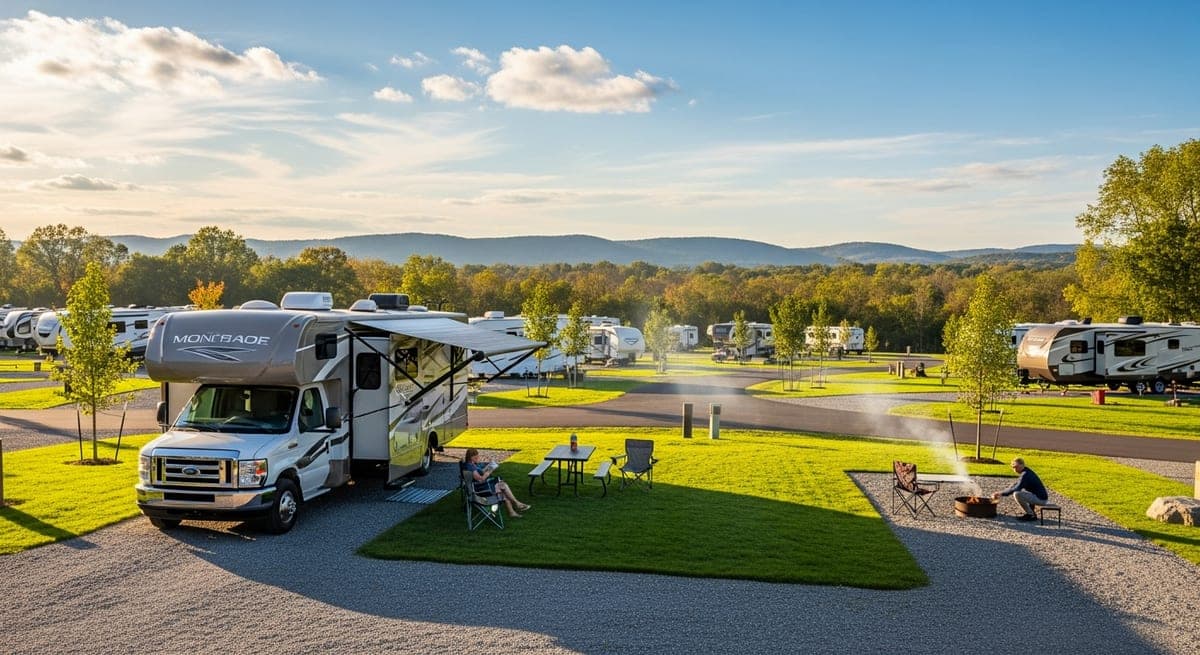
Private RV parks are commercial businesses, typically offering full hookups (electric, water, sewer), paved pads, and amenities ranging from basic (laundry, bathhouses) to resort-level (pools, fitness centers, pickleball courts, organized activities, on-site restaurants). KOA and Thousand Trails are the two largest chains; hundreds of independent parks operate at all quality levels.
The advantage of private parks is consistency and amenity access — you know what you're getting. The disadvantage is cost ($40–$90/night for full hookups) and density — many private parks have sites packed close together. They're right for extended stays where amenities and full hookups matter, travel days when you need a reliable overnight, and families who want camp activities.
Public Campgrounds: State Parks, National Parks, National Forests
Public campgrounds run by state and federal agencies are generally the best value in the camping spectrum: $15–$35/night, scenic locations, and lower density than most private parks. The tradeoffs: hookups are less common (many state parks offer electric only), reservation systems can be complicated, and the most popular campgrounds are booked months in advance.
National Forest campgrounds are often the least known and most underutilized — primitive but well-located, frequently $10–$20/night or free, with no reservation required. National park campgrounds are highly competitive but worth the planning effort; the scenery justifies the effort and cost.
Dispersed / Free Camping on Public Land
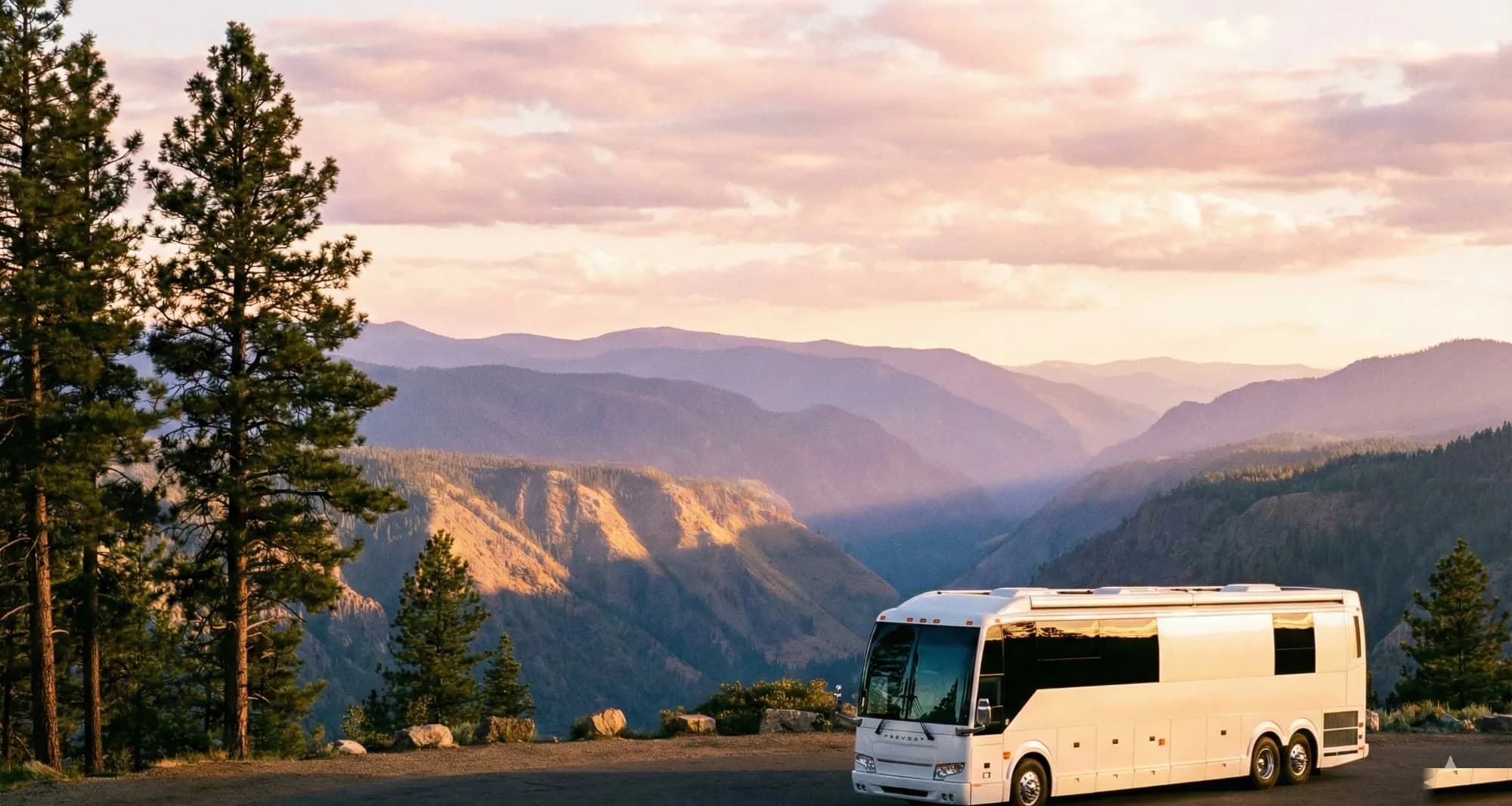
Free camping on BLM and National Forest land — outside designated fee areas — is the purest form of RV camping. No reservations, no fees (usually), no neighbors 20 feet away. The tradeoff is no hookups, limited or no amenities, and the need for self-sufficiency with water and waste management. Self-contained RVs with solar, generators, and adequate water tanks thrive here. For others, it requires planning.
Glamping and Unique Accommodations
Glamping — glamorous camping — usually means furnished tents, yurts, safari tents, treehouses, or tiny cabins at scenic locations, with hotel-style amenities. It's not traditional camping and doesn't require an RV, but Harvest Hosts and similar platforms have created a category of unique RV overnight experiences at farms, wineries, and historic properties that overlap with the glamping concept.
Matching Accommodation to Trip Type
The best trip planners use different accommodation types for different legs of the same trip. A practical framework: Use dispersed BLM camping for scenery and solitude in the West. Use state park campgrounds as quality overnight stops with good locations. Use private RV parks for long-stay bases where you want hookups and amenities. Use Harvest Hosts for one-night unique experiences. Don't lock into one type for the whole trip when mixing produces better results.
Is that campground membership actually worth it?
Plug in your camping nights and typical nightly rate. Our free calculator does the break-even math for Good Sam, Passport America, Thousand Trails, and KOA Rewards.