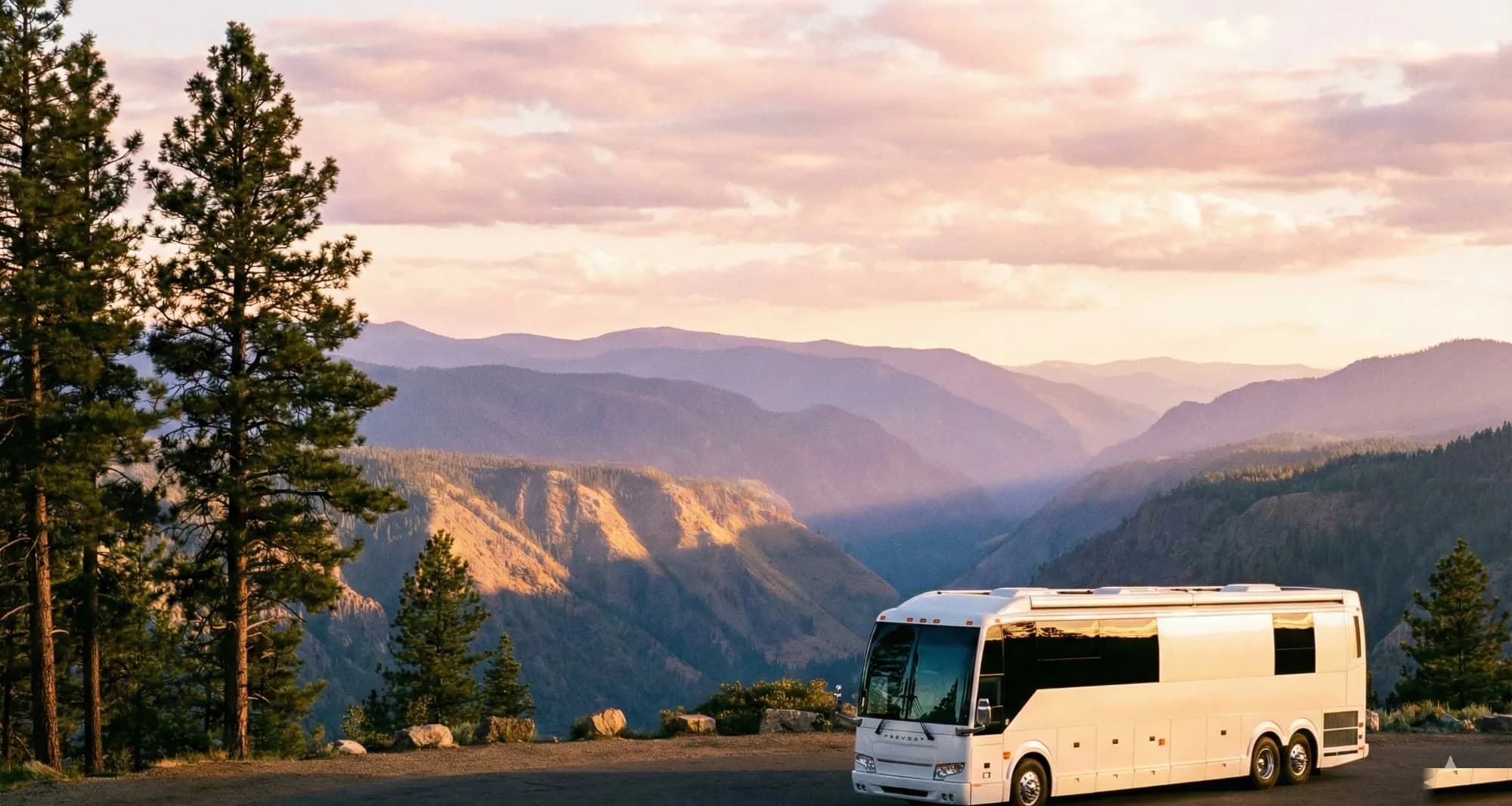

The most popular campsites at the most popular parks sell out within minutes of the reservation window opening. Yellowstone's Bridge Bay for July 4th. Yosemite's Upper Pines in August. Cape Cod's Nickerson State Park in June. These aren't exaggerations — within 60 seconds of the Recreation.gov window opening for peak dates, they're gone. Here's the strategy experienced RVers use to get the sites they want.
Know the Reservation Windows
Every reservation system has its own logic for when reservations open. The most important ones:
- Recreation.gov (federal lands — NPS, USFS, BLM): Most campgrounds open reservations exactly 6 months in advance on a rolling basis. A site available on July 15 becomes bookable on January 15 at midnight Eastern time (some open at 8 AM Pacific). Set calendar alerts for exactly 6 months before your target dates.
- State parks: Windows vary by state — from 3 months (Pennsylvania) to 11 months (California, for some parks) to 6 months (most states). Know your specific state's window. Reserve America powers most state park systems.
- Private campgrounds (KOA, Good Sam parks): No universal window — campgrounds accept reservations up to 12 months in advance typically. Popular private parks at popular destinations can fill peak weekends months out.
The 6-Month Strategy for Federal Parks
For highly competitive federal campgrounds (Yellowstone, Glacier, Grand Canyon, Yosemite), your reservation strategy needs to be almost mechanical:
- Identify your target dates. Know your first, second, and third choice of campground.
- Set a calendar alert for exactly 6 months before your arrival date — down to the day.
- Create a Recreation.gov account in advance and save your payment method. The checkout process needs to be as fast as possible when competition is real.
- Be logged in and on the campground page at midnight Eastern on the release date. Some people set alarms for 11:55 PM to prep.
- Book first choice immediately. Don't comparison shop between sites while someone else grabs yours. Once booked, you can modify or refine later if you find a better site at the same campground.
- Set alerts for cancellations. Recreation.gov has a notification system for cancellations. Third-party tools like Campnab ($20 for a single reservation alert) aggressively monitor and notify you of cancellations at sold-out campgrounds.
Campnab and Cancellation Monitoring
Campnab is the most reliable tool for getting into sold-out campgrounds via cancellations. You specify the campground, your dates, site type, and minimum site length — Campnab checks for availability every few minutes and notifies you immediately when a cancellation opens up matching your criteria.
Cost: $20 per alert. Worth it for competitive parks. The cancellation rate at peak-season campgrounds is higher than most people expect — people change travel plans, cancel road trips, and adjust dates constantly. Campnab has a strong community track record of success.
Walk-Up Sites: The Underused Strategy
Most Recreation.gov campgrounds hold a percentage of sites for walk-up reservation — available the day before, typically at 8 AM. This is intentional: the system is designed to prevent total lockout of flexible travelers.
- For popular parks, walk-up sites release at 8 AM the day prior — people line up at the park entrance before the visitor center opens
- Arriving at the park entrance gate 30–60 minutes before the visitor center opens improves your odds significantly
- Weekdays have dramatically better walk-up availability than weekends
- Shoulder season (May, September) has much better walk-up odds than peak summer
Shoulder Season and Weekday Strategy
The simplest strategy: shift dates. The same campground that's booked solid for Friday–Sunday in August often has walk-up availability for Monday–Wednesday. The same park that's impossible in peak season often has open reservations in May and September.
Shoulder season advantages:
- Better campground availability — sometimes same-day booking possible
- Lower prices at some parks and most private campgrounds
- Smaller crowds at trailheads and viewpoints
- Fall color (September–October) and wildflowers (April–May) can actually be better than peak summer for many destinations
Building Flexibility Into Your Trip
The RVers who consistently get great campsites build flexibility into their planning:
- Know your backup campgrounds — if your first choice is full, what's 15 miles away?
- Have a boondocking fallback — free BLM or national forest camping eliminates the "nowhere to stay" emergency
- Be willing to move your dates by 1–2 days around a hard reservation when it makes the difference between getting in and waiting a year
- Book farther ahead than feels necessary for highly desired destinations — 6 months is not too early for July at Yellowstone
Related: Boondocking beginner's guide · Best free camping apps · RV campground types explained
Is that campground membership actually worth it?
Plug in your camping nights and typical nightly rate. Our free calculator does the break-even math for Good Sam, Passport America, Thousand Trails, and KOA Rewards.