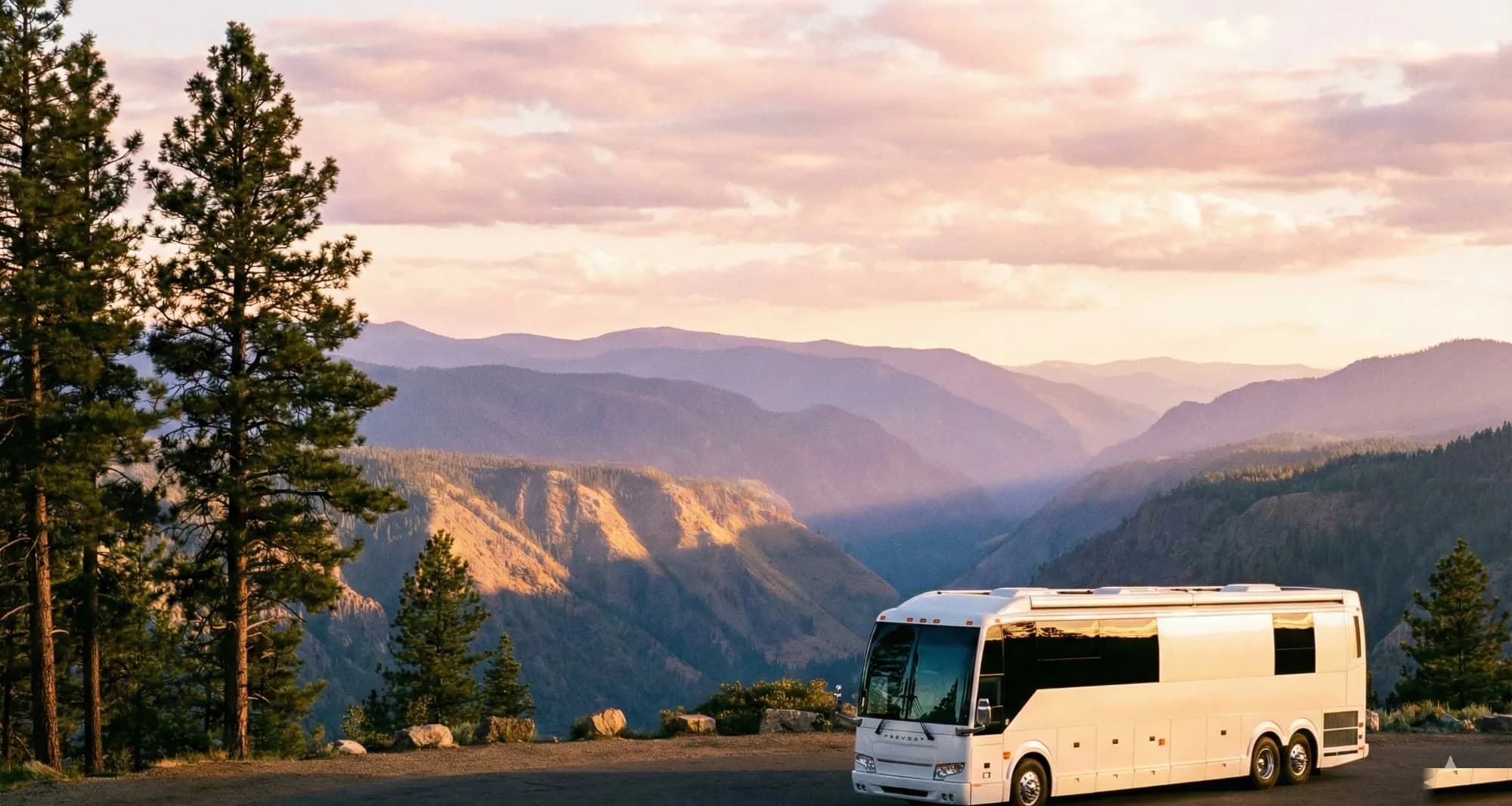

The Everglades is the only subtropical wilderness in North America and one of the most biodiverse ecosystems on the planet. It's also one of the least-visited large national parks relative to its size — which means you can have a genuine wilderness experience here that's impossible at Yellowstone or the Grand Canyon in peak season. Here's how to RV it well.
When to Go
Season matters enormously at the Everglades — more than at almost any other national park:
- November–April (dry season): The only time most people should visit. Temperatures are pleasant (60–80°F), mosquito populations are manageable, and wildlife concentrates around shrinking water sources — making for spectacular viewing. This is peak season.
- May–October (wet season): Oppressive heat (90°F+), 80%+ humidity, afternoon thunderstorms daily, and mosquito populations that need to be experienced to be believed. Not recommended for RV camping unless you have industrial-grade screens and a high tolerance for heat.
RV Campgrounds in Everglades National Park
The main park road runs 38 miles from the entrance near Homestead to Flamingo at the tip of the Florida peninsula. Two developed campgrounds serve RVers:
- Long Pine Key Campground: 108 sites, dry camping (no hookups; dump station on-site). Located near the park entrance. Flush toilets available. Sites up to 40 feet. Open in the winter dry season only (roughly November to April), closed in the summer wet season. Book via recreation.gov; fills months out in peak season.
- Flamingo Campground: At the end of the main park road on Florida Bay. Some sites with electric hookups available. Large sites accommodate rigs up to 50 feet. Has showers (coin-operated). Excellent for kayaking, fishing, and boat tour access. Fills fast January through March.
What Makes Everglades Unique
The Everglades isn't a swamp in the traditional sense — it's a 60-mile wide, inch-deep slow-moving river of grass flowing south from Lake Okeechobee to Florida Bay. The ecology is extraordinary:
- Birds: Over 360 species. Roseate spoonbills, wood storks, snail kites, American flamingos, and dozens of wading bird species. December through April is peak birding. Bring binoculars.
- Alligators and crocodiles: The only place in the world where alligators and American crocodiles coexist. Both are commonly seen. Never feed them, never approach them, and keep pets leashed at all times.
- Manatees: Regularly visible in the warm waters of Flamingo marina in winter months when manatees seek warm water.
- Night sky: Far from major city lights, the Everglades has exceptional dark skies for stargazing.
What to Do
- Anhinga Trail (0.8 miles): The best wildlife trail in the park. Anhingas (a large black water bird) nest here so densely you can photograph them at arm's length. Year-round turtles, alligators, and wading birds. Don't skip this.
- Kayaking at Flamingo: Rentals available at the Flamingo Outdoor Center. Paddling the mangrove tunnels of the Wilderness Waterway is a world-class kayaking experience.
- Shark Valley Tram Tour: A 15-mile loop through the interior sawgrass prairie, accessible from the north entrance off the Tamiami Trail. You'll see more alligators per acre here than almost anywhere on Earth.
RV Practicalities
- Grocery stores and fuel are 10–20 miles outside the park — stock up before entering
- Cell service is limited or nonexistent beyond the entrance area
- Generator hours are restricted at campgrounds — typically 6–8 AM and 6–8 PM only
- Screens on windows and doors are essential even in dry season — mosquitoes exist year-round, just less aggressively
Related: Best RV parks in Florida · Florida Keys RV camping guide
Is that campground membership actually worth it?
Plug in your camping nights and typical nightly rate. Our free calculator does the break-even math for Good Sam, Passport America, Thousand Trails, and KOA Rewards.
Keep Reading
RV Camping in the Appalachian Mountains: Blue Ridge, Shenandoah, and Beyond
10 min read
Destination GuidesColorado RV Camping: Rocky Mountain National Park, Mesa Verde & the Million Dollar Highway
15 min read
Destination GuidesAcadia National Park RV Camping: Size Limits, Campgrounds & the Best Way to See Mount Desert Island
13 min read