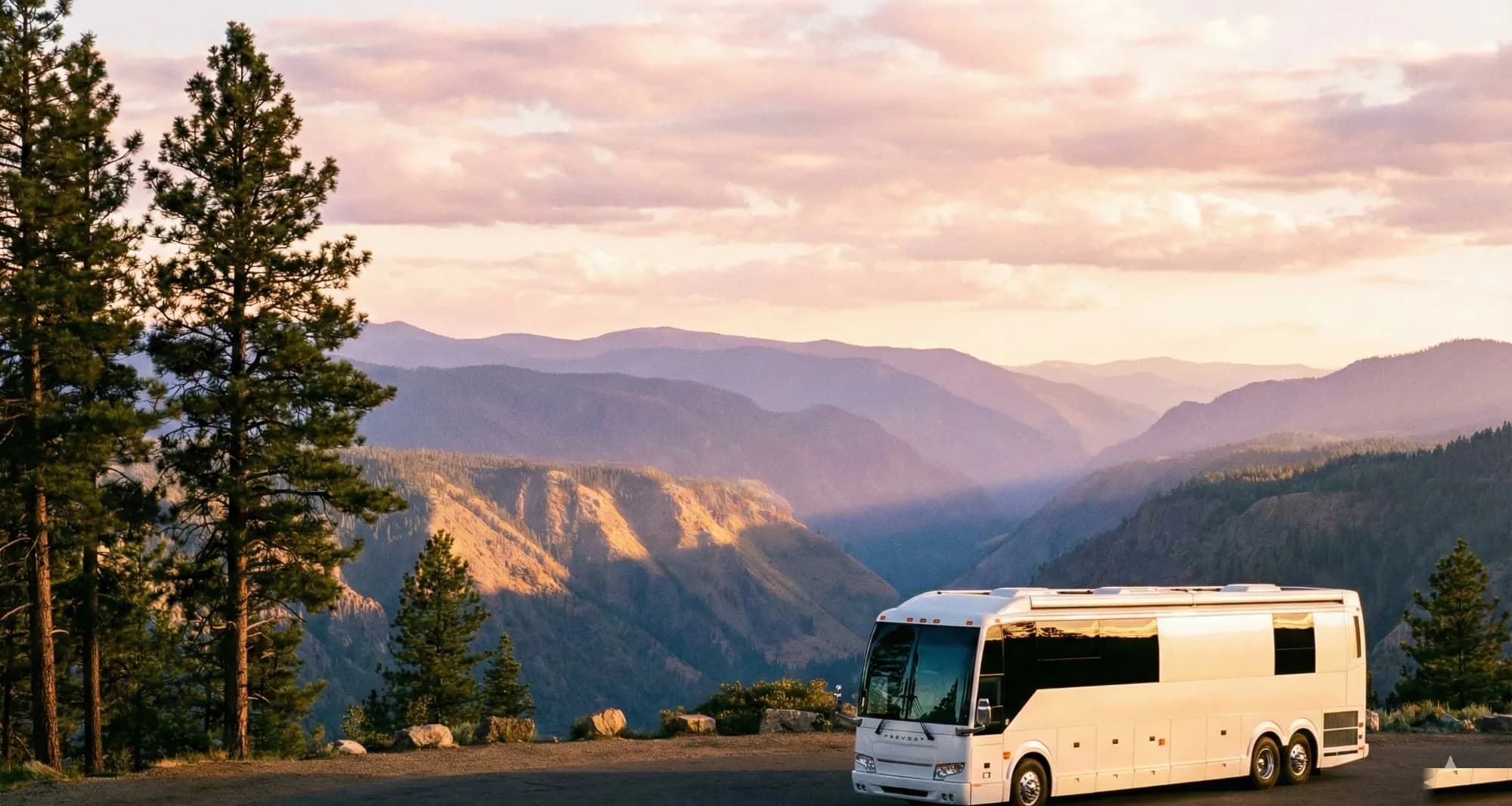
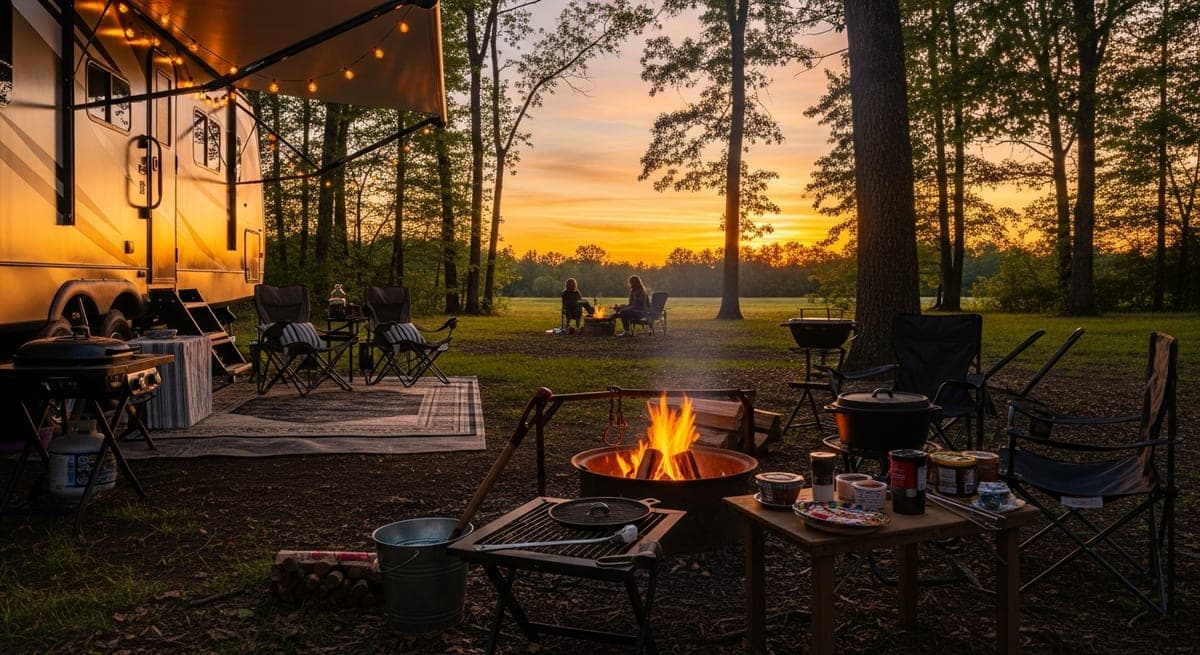
In peak fire season across Western forests — the Coconino National Forest in Arizona, the Deschutes National Forest in Oregon, the Sierra Nevada range — USFS fire restriction orders can go into effect within 24 hours of a heat or wind trigger, often faster than campground booking pages and reservation confirmations update. RVers on forums like iRV2 and the Escapees community board consistently report the same pattern: arriving to a site reserved weeks in advance, unaware that Stage 2 restrictions went live two days prior. The fine is real; the campfire is not.
Check Fire Restrictions Before You Leave Home — and Again the Day Before
Fire restriction status is not static. Experienced RVers check it twice: once when the trip is booked, and again 24 hours before departure. The resources that matter:
- Recreation.gov campground page: Usually lists current fire restrictions, but updates can lag behind the order itself
- InciWeb / AirNow: Active wildfire smoke and fire perimeter tracking
- US Forest Service Fire Restrictions portal (fs.usda.gov): Searchable by national forest — enter your specific forest, not just the state
- The campground host directly: Full-timers on the Escapees forums consistently report that a phone call to the host the morning of departure is the most reliable single check
Under the USFS fire restriction system, Stage 1 restrictions typically prohibit open campfires but allow gas or propane stoves; Stage 2 restrictions prohibit all outdoor open flame, including gas stoves at some forests. Those definitions apply specifically to USFS land. BLM, state parks, and county agencies often use different stage numbering and terminology — the restriction order from your specific land manager is the authoritative source, and RVers who rely on a general description have been caught off guard on BLM land in Nevada and Utah where the staging language differs.
Where You Can and Can't Build a Fire
The consistent guidance across RV communities: build fires only in designated fire rings or fire grates. Full-timers on iRV2 note that even when a site shows evidence of previous campfires — scorched ground, improvised rock arrangements — that does not mean they were permitted. The charcoal and heat kill soil organisms and vegetation in ways that persist long after the trip ends.
In dispersed camping areas on BLM land and National Forest land — popular zones include the Kaibab National Forest in northern Arizona and the Okanogan-Wenatchee National Forest in Washington state — Leave No Trace fire practices apply. The LNT standard is either a fire pan (a metal pan that catches all ash and packs out with you) or the mound fire technique using mineral soil. Community feedback from full-timers who regularly camp dispersed: bring your own fire pan. The improvised rock ring is not LNT-compliant and is flagged by hosts on many forests.
The Firewood Rule: Buy Close, Don't Haul It Across State Lines
Transporting firewood long distances is the primary documented vector for invasive insects — emerald ash borer and Asian longhorned beetle in particular — that have damaged forests across the Northeast and Midwest. State regulations on firewood transport vary significantly: some restrict movement beyond county of origin, others use distance thresholds that range from 10 to 50 miles, and some have no statewide rule but enforce restrictions at the campground level. The USDA APHIS "Don't Move Firewood" campaign recommends buying firewood within 10 miles of your destination as a conservative default regardless of local law.
Owner consensus on RV forums: kiln-dried certified firewood sold at campground stores is the simplest solution when you're traveling cross-region. In areas where dead and downed wood collection is permitted — check the specific forest or BLM unit's rules, as it is not universally allowed even on dispersed public land — that is another option, but one worth confirming before you collect.
Campfire Cooking: What Works Over Coals
Grill grates: Most developed campground fire rings include a swing-out grate. Community feedback across RV forums is consistent — bring a wire brush because grates are routinely left dirty by previous campers, and a light coat of oil after cleaning reduces sticking significantly.
Dutch oven: Cast iron Dutch ovens remain the most frequently recommended campfire cooking vessel in the RV community, particularly for multi-day trips. Coals placed beneath and on the lid approximate oven-like heat distribution. Full-timers report Dutch ovens as especially reliable for stews, chilis, and cobblers when cooking for a group. Seasoning and care follow standard cast iron practice.
Foil packets: Among the most commonly reported campfire methods from families: protein, vegetables, seasoning, and butter in a double layer of heavy-duty foil, sealed and placed on a coal bed for 20–30 minutes with one turn midway. Variations across the community run from chicken and root vegetables to shrimp and corn to apple-cinnamon dessert packets.
Timing the fire matters: Cooking over a young, high-flame fire is widely reported as a frustrating experience — flame fluctuates and charring is unpredictable. The consistent community guidance is to wait for an established coal bed, which typically takes 45–60 minutes after lighting. Coals provide steadier, more controllable heat than open flame.
Putting a Fire Out: The Standard That Actually Works
The Leave No Trace standard is drown, stir, feel — repeated until the pit is cold to the touch. Pour water over the fire until hissing stops completely, stir the ash and embers to expose hot material underneath, then pour more water. The test is whether you can hold a hand comfortably over the pit without feeling warmth — not a specific water volume, which varies with fire size, fuel type, and duration. Repeat until that standard is met.
Never bury a fire or leave it smoldering. USFS fire incident reports document cases of buried campfires re-emerging hours or days later in dry conditions — a known pattern in low-moisture soils across the Southwest and intermountain West, where the ground may look cold while embers are still active below the surface.
Related: Campground etiquette guide · Campsite setup guide · National Forest camping guide
Ready to Plan Your Trip?
Put this knowledge to work. Let our AI build a personalized RV itinerary for your next adventure, or browse community trips for inspiration.