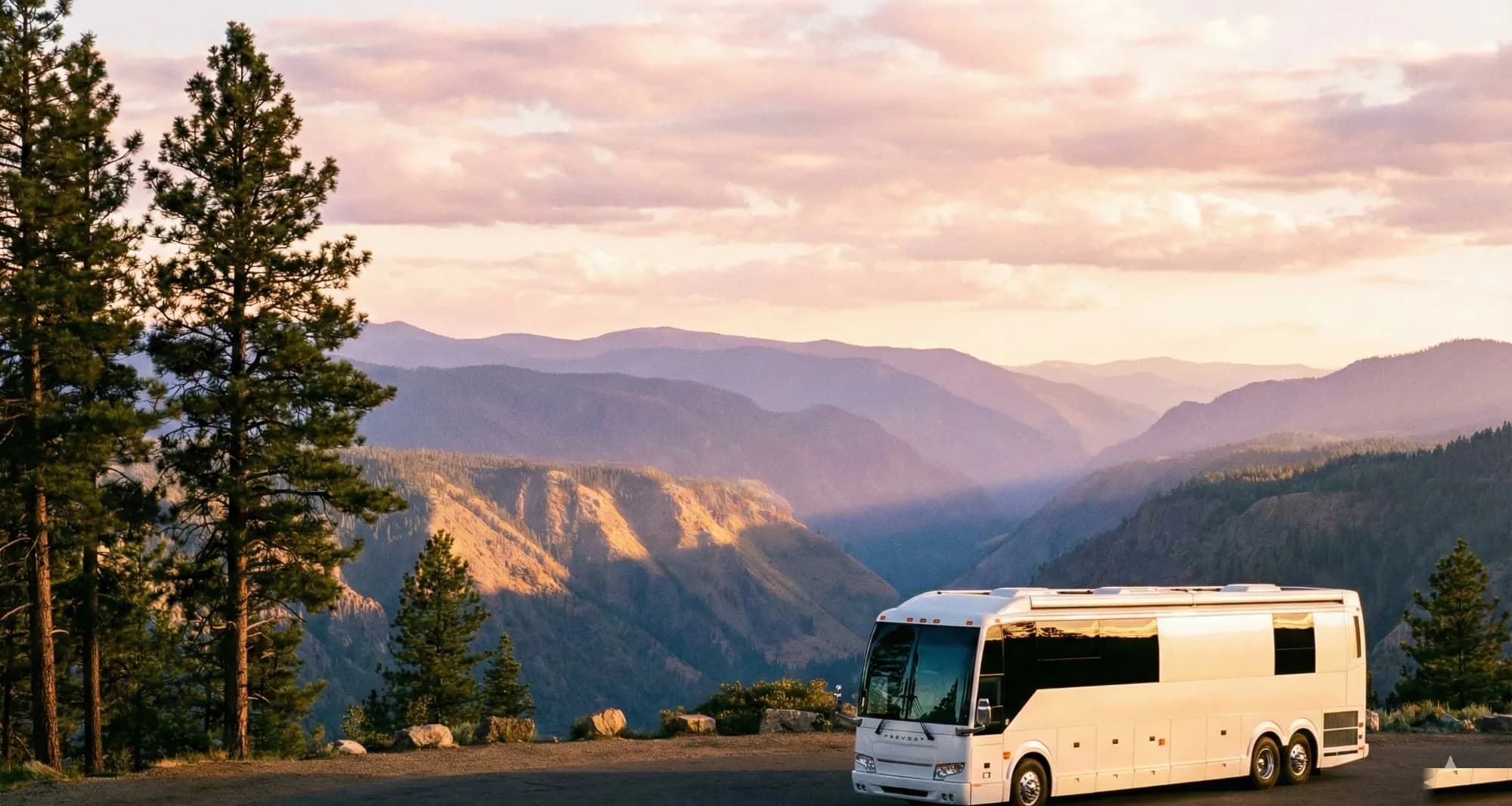
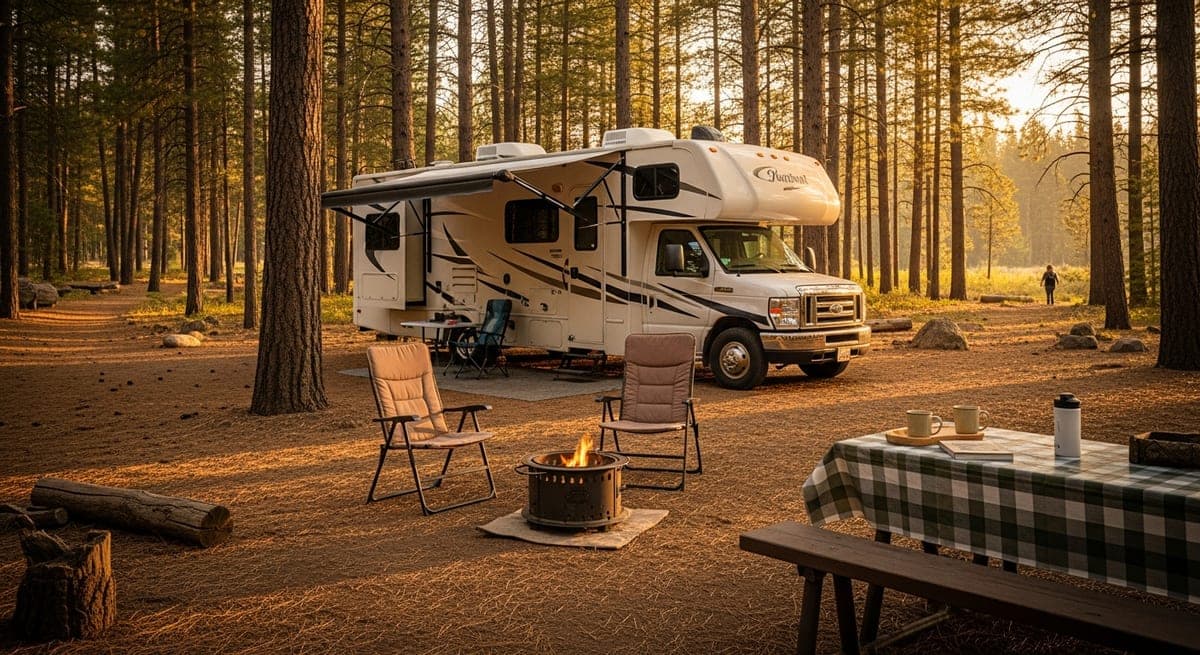
The first time I pulled my rig off a forest road in Colorado's White River National Forest and set up camp for free — no app, no reservation, no fee kiosk — I spent twenty minutes convinced I was doing something wrong. I wasn't. The U.S. Forest Service oversees roughly 193 million acres across 44 states, and most of it explicitly permits camping outside designated campgrounds, no permit required. That night above 9,000 feet, watching stars from an alpine meadow with zero neighbors, I did the math: 60 nights a year at $0 versus $25–40/night at a campground loop site. It adds up fast. I've been chasing that math ever since, and this is what I've learned.
So What Is Dispersed Camping, Exactly?
Dispersed camping means camping on National Forest land outside a designated campground. No fee, no reservation, no assigned site. You find a suitable spot off a forest road, set up camp, and stay — typically up to 14 days in most forests, though the exact limit varies by forest and district, so confirm with the local ranger — before moving at least 5 miles away.
This isn't a loophole or a technicality. The Forest Service explicitly permits it across the vast majority of its land. The rules describe what you can't do; the general right to camp is the default, not the exception. I've camped this way across more than 30 national forests now, and once you internalize that, your whole approach to trip planning shifts.
One thing I wish someone had told me earlier: not every spot is equally easy to reach in an RV. Some forest roads that look passable on a map get rough fast. Doing your homework before you leave the pavement is what separates a great camp from a very long reverse.
The Rules: Shorter Than You Think
Rules vary by forest, and seasonal changes can happen fast — always verify with the specific ranger district before you go. That said, the standard dispersed camping requirements look like this:
- 200 feet from water, roads, and trails: Camp at least 200 feet (roughly 70 paces) from any stream, lake, or river. The spirit of the rule is don't camp on the road shoulder or right at the water's edge.
- Stay limit: Most forests cap you at 14 days in one location, but some districts set it shorter. After reaching the limit, move at least 5 miles before camping again in the same forest. Check the specific forest's website — this number is not universal.
- Campfire rules fluctuate by season: Stage 1, Stage 2, and full fire bans are common in summer, especially out West. Check the forest's site or call the ranger district before building a fire. The mistake I see most RVers make is assuming no active ban near them means no restriction — fire zones don't always follow intuitive boundaries.
- Pack out everything: No trash left behind, no gray water dumping. Leave the site exactly as you found it.
- Designated free sites with facilities: Some forests maintain free or low-cost developed sites with vault toilets — a solid middle ground if you want minimal infrastructure without a reservation system.
Some zones require wilderness permits, have seasonal wildlife closures, or restrict motorized vehicles on specific roads. USFS.gov has a dedicated page for every national forest with current conditions — bookmark the page for your specific forest, not just the general homepage.
How to Actually Find Sites (This Is Where It Gets Good)
Finding dispersed sites isn't guesswork — it's a repeatable process. Once you have it down, you won't understand why you ever paid campground rates for a crowded loop site with a neighbor six feet away.
- Motor Vehicle Use Map (MVUM): This is the document. Every National Forest publishes one showing which roads are open to motor vehicles, which are OHV-only, and which are closed. Download the MVUM before any trip to a new forest — it tells you what you can legally drive. Free at USFS.gov, and worth printing or downloading offline before you lose cell service.
- Google Maps satellite view: Once you know which roads are drivable, zoom in on satellite view. Look for clearings off forest roads — flat areas with bare ground showing past camping use. Any reasonably flat clearing 200+ feet from water is a candidate. I found a two-week dispersed spot this way last spring in New Mexico's Carson National Forest that I'd never have stumbled onto otherwise.
- iOverlander and FreeRoam apps: Community-sourced databases with notes from overlanders and van-lifers who've documented sites with photos, access details, and rig-size callouts. Particularly strong for areas popular with the overland community.
- Freecampsites.net: A deep database of free and low-cost camping including dispersed sites. Reviews frequently include road condition updates and current-season access notes.
- Call the ranger district: This five-minute call has saved me hours of uncertainty more times than I can count. Rangers know which roads are currently passable for an RV, where dispersed camping is currently accessible, and what closures aren't yet updated on the website. The number is on USFS.gov. In my experience, they're almost always helpful and specific.
National Forest vs. National Park: The Budget Breakdown
| Feature | National Forest | National Park |
|---|---|---|
| Dispersed camping | Usually allowed | Not allowed (designated sites only) |
| Free camping | Common | Rare — entrance fees plus campsite fees |
| Reservations required | Usually not for dispersed; yes for designated sites | Often required 6 months ahead |
| Crowds | Low to moderate | High in summer |
| ATVs / OHVs allowed | On designated OHV roads | Usually not |
| Dogs on trails | Usually allowed on leash | Restricted to paved areas at many parks |
Five Forests Worth a Detour
White River National Forest (Colorado): The alpine meadow dispersed camping here — at 10,000 feet above Aspen and Vail — is about as good as it gets in the lower 48. Forest roads climb into the backcountry, but check conditions carefully before committing: some require real clearance and a short wheelbase. The MVUM is essential. Go in July or August for the best access above treeline.
George Washington National Forest (Virginia/West Virginia): The best dispersed camping option on the East Coast, and it's genuinely underused. The Shenandoah Valley views are stunning, the forest road network is solid, and its proximity to I-81 makes it easy to work into a mid-Atlantic route. I camped on a ridgeline here two nights last October and had the whole site to myself both nights.
Coconino and Kaibab National Forests (Arizona): These forests ring the Grand Canyon and Flagstaff. At 7,000 feet, summers are surprisingly mild — tall ponderosa pines, cool nights, and South Rim proximity without the national park entrance fees or the campsite reservation scramble. If you're timing around monsoon season (typically mid-July through September), check road conditions — some forest roads get slick fast after storms.
Ozark National Forest (Arkansas): One of the most underrated dispersed camping destinations in the country, especially for central US RVers. River valleys, solid fishing, a well-developed forest road network, and visitation levels that are a fraction of any comparable Western forest. If you haven't camped here, put it on the list — it earns its place.
Tongass National Forest (Alaska): The largest national forest in the U.S. at roughly 17 million acres. Most access is boat-in or floatplane, which puts it beyond reach for a standard RV setup — but if you're doing the Southeast Alaska ferry loop, a handful of road-accessible areas are worth researching ahead of time.
— Written by a full-time RVer and Airstream owner who has camped across 30+ national forests since 2019. Rules, seasonal closures, and road conditions change; always verify with the local ranger district before your trip.
Related: Boondocking 101: Free camping guide · 12 best free camping apps · RV solar power guide
From the RVmapper team
Fishing along your route?
Hooked Fisherman publishes fishing reports for all 50 states, species guides, and honest gear reviews. Know what's biting before you park the rig.