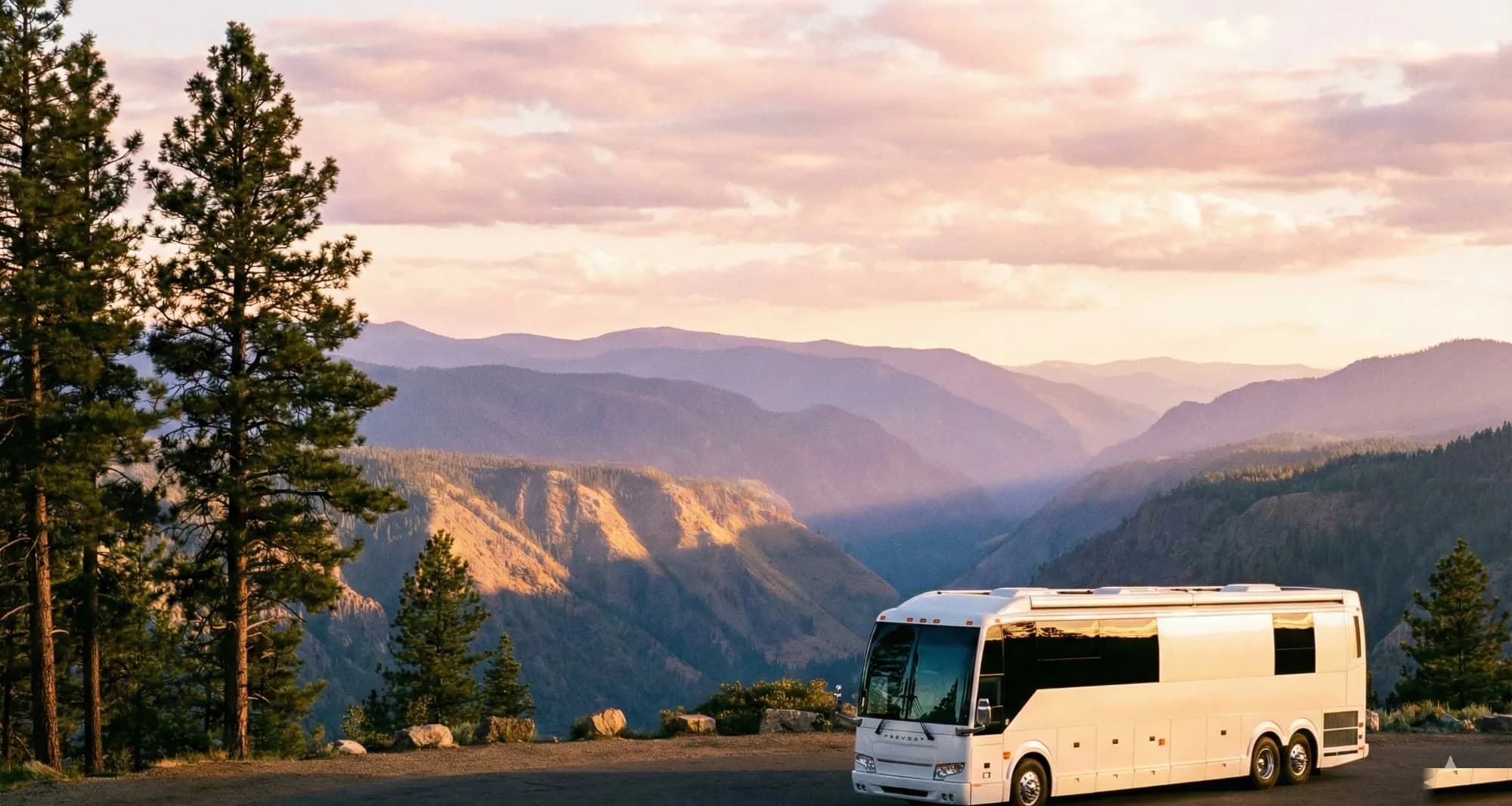

RVing is one of the most popular retirement activities in America, and for excellent reasons: it combines the freedom of travel with the comfort of bringing your home with you. For older and senior travelers, the right setup makes all the difference between a dream lifestyle and a frustrating struggle. Here's how to approach RV travel as an older traveler — from choosing the right rig to managing health logistics on the road.
Choosing the Right Rig for Senior Travelers
The physical demands of RVing vary dramatically by rig type. For senior travelers, certain features move from "nice to have" to essential:
Entry steps and height: The number of entry steps and their height is one of the most important accessibility considerations. Class A motorhomes typically have 1–3 entry steps with handrails. Class B vans have a single, lower step. Fifth wheels often have steep three-step entry ladders that can be genuinely difficult with limited mobility. Look for:
- Powered entry steps that extend automatically when the door opens
- Solid handrail on both sides of the entry steps
- Low total entry height — getting in and out 5+ times per day adds up
Bathroom size and features: A bathroom with a full-length shower (not a wet bath where the toilet and shower share the same tiny space), a grab bar at the toilet, and enough space to move safely. Walk-in showers are preferable to shower/tub combos for those with any mobility limitations.
Bed height and accessibility: A permanent bed at a comfortable height — not a conversion dinette, not a bunk that requires climbing. Beds that sit at a standard height (similar to a home) are easier to get in and out of than either very high (typical in some Class A over-cab beds) or floor-level sleepers.
Automatic leveling systems: Manual leveling with a level, blocks, and hand cranking is physically demanding. Automatic leveling systems (common on Class A motorhomes, available as upgrades for fifth wheels) take most of the physical work out of setting up camp.
Ease of driving: A Class B camper van is the easiest RV to drive — it handles like a large passenger van. Class C is manageable for most drivers. Large Class A diesel pushers offer visibility and backup cameras but are physically demanding to drive for extended periods.
Recommended rig types for senior travelers:
- Class A motorhome (mid-range size, 35–38 ft): Excellent living space, automatic leveling, low step entry, bathroom space — best overall for extended travel
- Class B camper van: Best for two-person couples who want minimal physical effort, maximum fuel economy, and the ability to drive anywhere a car can go
- Class C (24–30 ft): Good balance of drivability and amenities without the size of a large Class A
Managing Health on the Road
Prescriptions and medications: Managing medications while traveling requires planning:
- Use a mail-order pharmacy for 90-day supplies — doesn't require being in one place
- Keep a complete medication list with dosages and prescribing physicians in your wallet and in the RV's important documents folder
- Refrigerated medications require a reliable 12V refrigerator — confirm your RV's 12V system can maintain safe temperatures when not on shore power
- Research pharmacies along your planned route — CVS, Walgreens, and Walmart pharmacies can often transfer prescriptions nationwide
Health insurance: Standard employer health insurance is designed for in-network use in your home area. Traveling full-time requires coverage that works anywhere:
- Medicare + a supplemental Medigap plan provides national coverage — the most common choice for seniors over 65
- Medicare Advantage plans typically have narrow networks that may not cover you outside your home state — review your plan's out-of-network coverage before extended travel
- Emergency care is covered everywhere under Medicare; routine care may require in-network providers depending on your plan
Finding care on the road: Urgent care centers (not emergency rooms) handle most non-emergency medical needs at reasonable cost. Telemedicine services work well for many routine consultations. Keep a list of your physicians' contact information — if you need a specialist consult from a new location, your doctors can often coordinate remotely.
The America's National Parks Senior Pass
The America the Beautiful Senior Pass is one of the best values in outdoor recreation. Available to US citizens and permanent residents age 62+:
- Annual pass: $20/year — covers entry fees at over 2,000 federal recreation sites
- Lifetime pass: $80 one-time — covers the same sites for life; pays for itself in a single summer of national park visits
- Also provides 50% discount on federal camping fees (not private campgrounds within parks, but NPS-operated campgrounds)
- Available at any national park entrance station, REI stores, or online at USGS.gov
For a senior RVer who visits 4+ national parks per year, the $80 lifetime pass pays for itself in the first year and then generates ongoing 50% camping discounts indefinitely.
Practical Tips for Comfortable Senior RV Travel
- Drive shorter days: 200–250 miles is a comfortable daily distance for most senior RVers — enough to make meaningful progress without fatigue. The temptation to "push through" longer drives increases fatigue and risk.
- Build in rest days: Plan 1 rest day for every 3–4 travel days. This isn't slowing down — it's how you sustain a longer trip without burning out.
- Park early: Arriving at your campsite by 2–3 PM avoids setup in fading light and allows time to address any issues before dark.
- Emergency contacts and location sharing: Keep a designated contact aware of your location and expected itinerary. Apps like Life360 or basic text check-ins are simple ways for family to stay informed without feeling like surveillance.
- Good Sam Roadside Assistance: The RV-specific roadside assistance plan ($100–$150/year) covers breakdowns, towing for RVs (standard auto club coverage often excludes them), and flat tire service. Worth having for peace of mind.
Related: Class A vs B vs C: choosing the right RV · RV insurance guide · Full-time RV living beginner's guide
Ready to Plan Your Trip?
Put this knowledge to work. Let our AI build a personalized RV itinerary for your next adventure, or browse community trips for inspiration.