10 Activities That Make RV Trips Unforgettable for Grandkids
A grandparent-grandchild RV trip succeeds on the activities, not just the destination. Here are 10 ideas that work across age groups and create the memories kids talk about for decades.
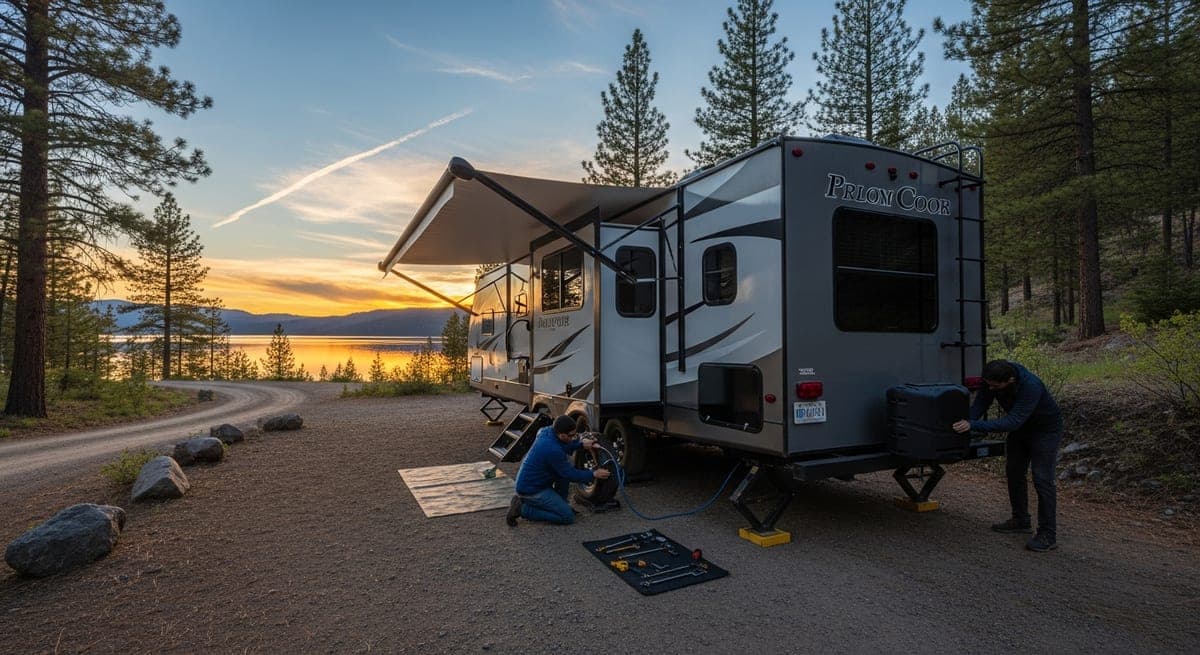
Propane powers most RV appliances — furnaces, water heaters, stoves, and refrigerators. Here's what every RVer needs to know about propane safety, leak detection, and routine maintenance.
New England's RV parks range from primitive lakeside camping to full-hookup resorts near covered bridges and fall foliage routes. Here are the standouts in each state.
The Texas Hill Country's bluebonnet season peaks between late March and mid-April, but campsite availability across the Fredericksburg corridor collapses weeks earlier — owners who return annually report that a weekday-heavy loop itinerary and early booking discipline matter as much as bloom timing for a successful RV trip through the wildflower corridor.
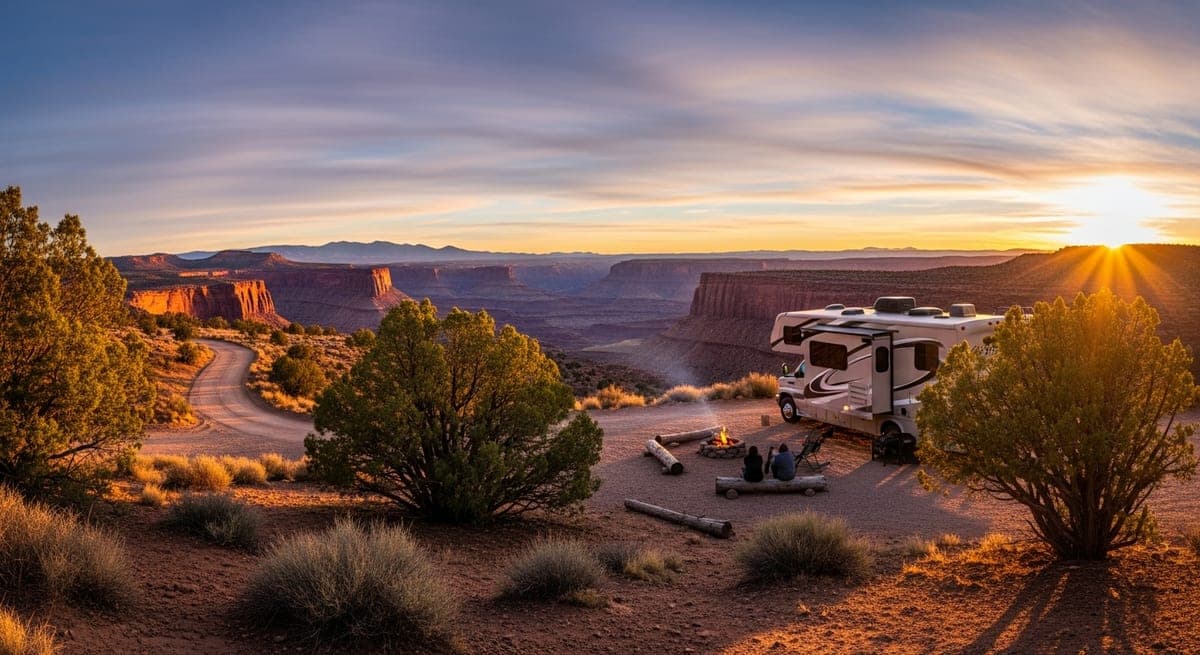
Free BLM dispersed camping gives RV owners access to thousands of miles of public land with no fees or hookups, but the rules vary by field office and the mistakes are easy to make without the right preparation. This guide draws on feedback from full-time boondocking communities to explain how to read Motor Vehicle Use Maps, vet a site before driving in, and stay compliant with spring fire restrictions and stay limits.
May sits at the ideal crossover point for Texas Hill Country RV camping — wildflowers still dot the backroads between Fredericksburg and Wimberley, the spring-fed Guadalupe and Frio rivers offer uncommonly cool swimming, and state parks like Garner and Pedernales Falls haven't yet hit peak summer saturation. RV owners who time their Hill Country trips to early May consistently report it as one of the best weeks of the year in Texas.
Generator quiet hours at crowded holiday campgrounds leave many RVers without a power fallback, and owner feedback from full-timer forums reveals a consistent gap between advertised watt-hour ratings and what portable power stations can actually sustain across a full night of RV use. This guide covers real-world capacity loss factors, tier-by-tier model comparisons based on owner reports, and the dealbreakers campers consistently flag before buying.
BLM dispersed camping gives RV owners access to 245 million acres of free public land across the West, but feedback from full-timers shows that most new boondockers miss the site-finding tools, stay-limit rules, and road-condition filters that experienced owners treat as common knowledge. This guide covers what actually works, from the apps the community relies on to the rig-sizing and fire-restriction details that catch first-timers off guard.
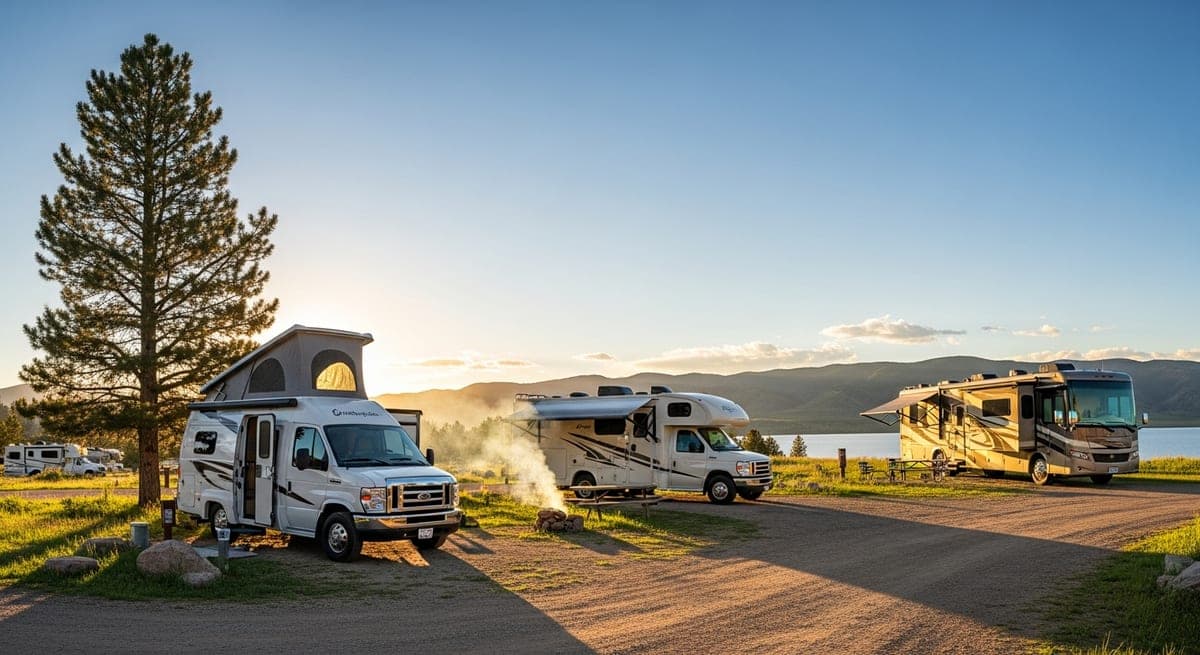
Feedback from full-timers and repeat holiday campers shows that the difference between a confirmed Memorial Day campsite and a last-minute scramble comes down to reservation timing, underbooked site types, and strategic arrival windows—not luck. Community-aggregated insights point to specific booking lead times, overlooked site categories, and arrival and departure patterns that consistently outperform late-stage searches.
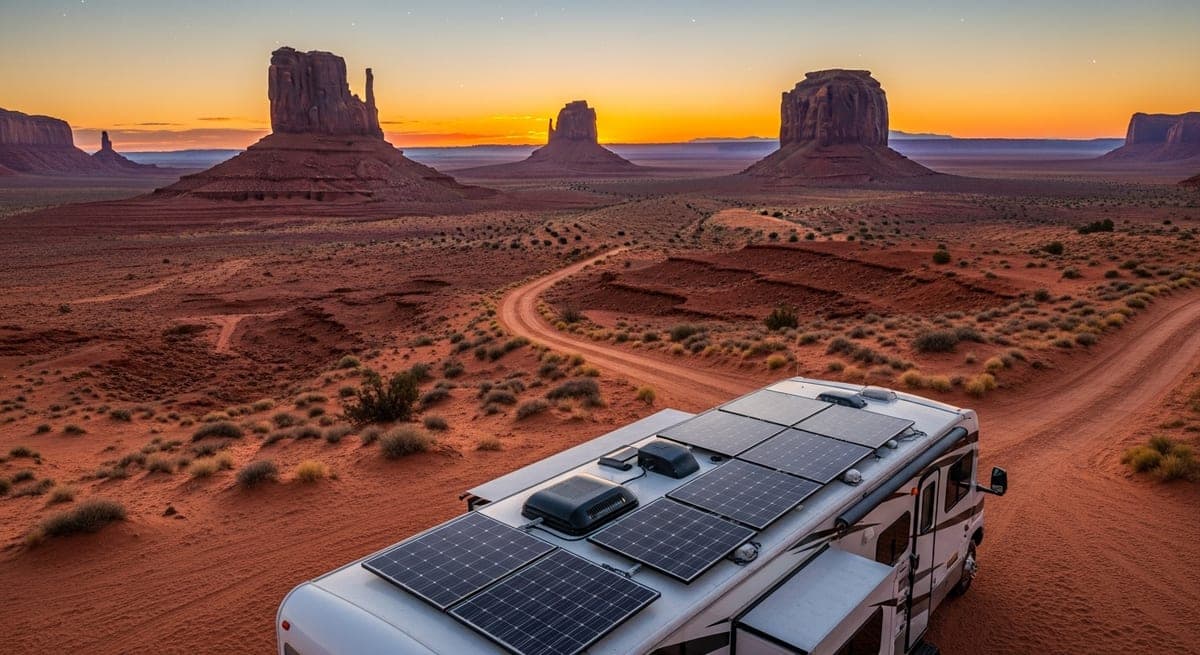
Mismatched capacity and poor panel pairing are the leading causes of off-grid power frustration for RV boondockers; this guide synthesizes manufacturer specs, watt-hour comparisons, and aggregated owner forum feedback to identify which portable solar generator units deliver reliable results across different rig sizes and usage profiles in 2026.