
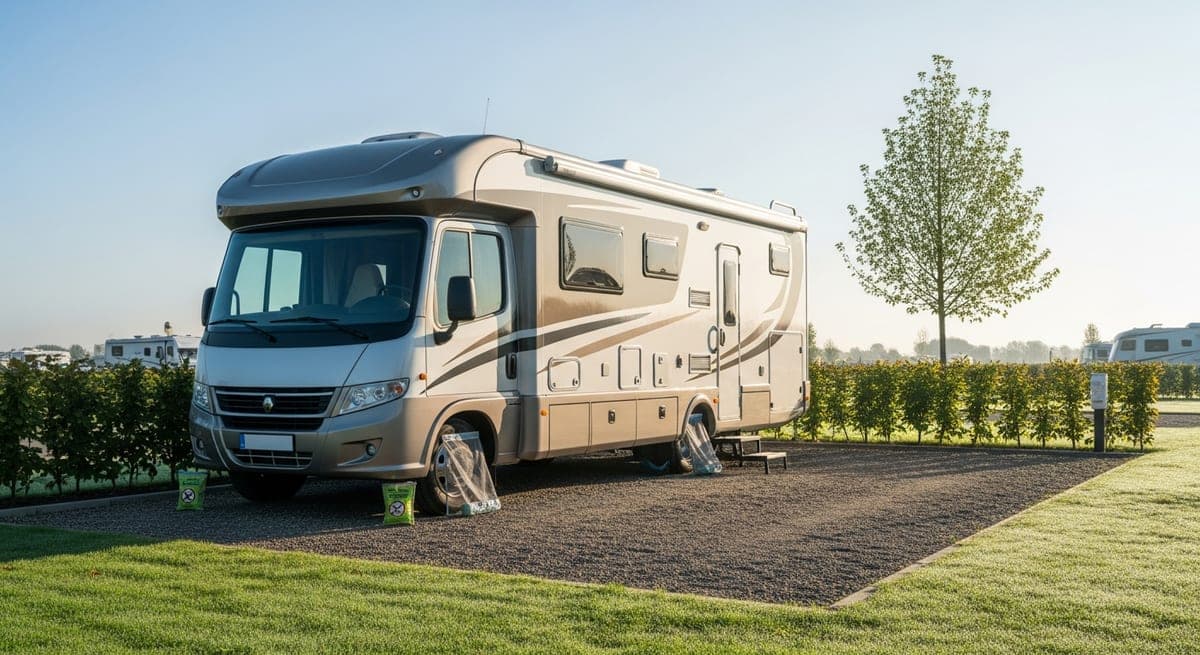
Why RVs Are Vulnerable to Rodents
RVs are essentially a box of warm, dry voids and insulated cavities — exactly what mice and rodents want for nesting. Gaps around plumbing penetrations, thin fiberglass floors, slide-out seals, and storage bay floors all create entry opportunities. A mouse can fit through a gap the diameter of a pencil. If your RV sits in storage for months, rodents have plenty of time to establish themselves before you return.
The damage from a mouse infestation in an RV isn't just the mess — it's the chewed wiring (fire hazard), destroyed insulation, contaminated HVAC ducting, and hantavirus risk from droppings. Prevention is dramatically cheaper and healthier than dealing with a problem that's already established.
Storage Prevention: Before You Park It
Seal every penetration you can find. Rodents enter through gaps around plumbing, electrical conduit, fresh water lines, and drain pipes where they penetrate the floor or walls. Use steel wool packed into gaps (mice won't chew through it) plus expanding foam over the steel wool. Check under sinks, behind appliances, and in storage bays where pipes or wires enter the floor.
Remove all food. This means everything — not just obvious food, but condiments, seasonings, coffee, pet food, and anything in cardboard packaging. Leave dry goods in the pantry in sealed glass or metal containers at your own risk; even sealed plastic bags won't deter a determined mouse.
Repellents (with realistic expectations): Peppermint oil cotton balls, dryer sheets, and similar repellents can delay entry but won't stop a determined mouse. Fresh Cab botanical repellent pouches get consistently good reviews from RVers — use them in storage bays, under cabinets, and in the underbelly. Replace every 30–90 days.
Snap traps over poison bait: If rodents do get in, snap traps kill quickly and the body is retrievable. Poison bait kills mice slowly and they often die inside walls or the underbelly, creating odor problems for months. Place snap traps along walls (mice travel along edges) in storage bays and under the rig.
Physical barriers: Hardware cloth (1/4 inch mesh) stapled or screwed over large openings in the underbelly is the most permanent solution. This is labor-intensive but one of the few approaches that genuinely blocks entry.
Camping Prevention
Active camping (not storage) is lower risk but rodents still enter, especially in areas with high wildlife populations — rural campgrounds, wooded sites, areas near agricultural fields.
- Keep food sealed and inside. Don't leave pet food bowls out overnight.
- Inspect slide-out seals regularly — tears or gaps are entry points
- Don't stack firewood against the RV — it's a mouse superhighway to your walls
- Check that your entry steps, when retracted, don't create a gap into the RV body
- Inspect your skirt if you have one — debris accumulation creates habitat
Insects and Other Pests
Wasps and hornets love to nest inside vents, slide-out mechanisms, and underbelly storage areas. Check all vents before using the RV after storage — a nest inside a furnace exhaust vent is a carbon monoxide hazard. Removable vent covers with insect screens prevent nesting.
Ants enter through any small gap and are attracted by food and moisture. Keeping the RV dry and food sealed prevents most infestations. Diatomaceous earth sprinkled along entry points is a non-toxic deterrent.
Cockroaches can enter in cardboard boxes and grocery bags. Inspect boxes before bringing them inside — egg cases can hitch a ride. Don't use the original cardboard boxes as pantry storage in the RV.
Spiders are largely beneficial but brown recluses and black widows are present in parts of the country. Shake out footwear and clothing stored in outdoor bays before use, especially in the Southwest and Southeast.
Related: RV maintenance checklist · RV storage organization · RV winterization guide
From the RVmapper team
Fishing along your route?
Hooked Fisherman publishes fishing reports for all 50 states, species guides, and honest gear reviews. Know what's biting before you park the rig.